International Conference on Intelligent Computing and Emerging Technologies

(ICICET)-2026

Innovating the Future || AI • IoT • Cyber Security • Emerging Technologies • Research

Hybrid Conference • 22-23 August, 2026 • Venue: Santiniketan, West Bengal, India

Organized by Aspinotech Infosolutions Pvt. Ltd.

About the Conference

The International Conference on Intelligent Computing and Emerging Technologies 2026 (ICICET 2026), organized by Aspinotech Infosolutions Pvt. Ltd., aims to bring together researchers, academicians and industry professionals to share innovations and future directions in intelligent computing and next-generation technologies. The conference covers a broad range of tracks including Intelligent Computing and Algorithms, Artificial Intelligence and Machine Learning, Data Science, Cyber Security, IoT and Cyber-Physical Systems, Cloud and Edge Computing, Software Engineering, Computer Vision, Communication Systems, Electronics and VLSI, Power and Energy Systems, Robotics and Control, Computational Sciences, Materials and Manufacturing, and Applied Mathematics. ICICET 2026 provides an interdisciplinary platform to foster collaboration, knowledge exchange and impactful research for real-world and industrial applications.

About the Organizer

Logo

Aspinotech Infosolutions, an ISO 9001:2015 certified company, where innovation meets excellence. As pioneers in the fields of Internet of Things (IoT), Artificial Intelligence (AI) and Machine Learning (ML), consultancy services, ISO certification, and electronics product development, we're dedicated to shaping the future through cutting-edge technology solutions.

Key Dates – Conference Roadmap

Abstract Submission

30 March 2026

Acceptance Notification

15 April 2026

Early Bird Registration

30 April 2026

Conference Dates

22 – 23 August 2026

Conference Themes (but not limited to)

    Track 1: Intelligent Computing & Algorithms
  • Algorithms and data structures
  • Parallel and distributed algorithms
  • High-performance computing
  • Evolutionary and Bio-Inspired Algorithms
  • Algorithmic Game Theory and Computational Complexity
  • Big Data Architectures and Data Engineering
  • Data Mining and Knowledge Discovery
  • Predictive, Prescriptive and Time-Series Analytics
  • Data Visualization and Knowledge Graphs
  • Green and Energy-Efficient Computing
    Track 2: Artificial Intelligence, Machine Learning & Computer Vision
  • Machine Learning Models and Architectures
  • Deep Learning and Neural Networks
  • Reinforcement Learning
  • Explainable, Trustworthy and Ethical AI
  • Generative AI and Foundation Models
  • AI-Driven Decision Support Systems
  • Image and Video Processing
  • Pattern Recognition and Object Detection
  • Medical Image Analysis and Healthcare AI
  • Multimedia Systems, AR/VR and 3D Vision
    Track 3: Internet of Things, Cloud Computing & Software Systems
  • IoT Architectures, Protocols and Sensor Networks
  • Industrial IoT and Smart Infrastructure
  • Cyber-Physical Systems Modeling and Applications
  • Embedded Systems and Edge-Enabled IoT
  • Cloud Computing Architectures and Distributed Storage
  • Edge and Fog Computing
  • Virtualization, Containerization and Serverless Computing
  • Resource Scheduling and Optimization in Cloud Systems
  • Software Engineering, Agile and DevOps
  • Microservices and Software Systems for AI Applications
    Track 4: Cyber Security & Secure Computing
  • Cryptography and Cryptanalysis
  • Network and System Security
  • Secure Software Design and Development
  • Blockchain and Distributed Ledger Technologies
  • Privacy-Preserving Computing and Data Protection
  • Cyber Threat Intelligence and Security Analytics
  • Secure Artificial Intelligence Systems
  • Digital Forensics and Incident Response
  • IoT and Cloud Security
  • Cyber Laws, Governance and Compliance
    Track 5: Signal Processing & Intelligent Communication Systems
  • Digital and Adaptive Signal Processing
  • Speech and Audio Processing
  • Biomedical and Sensor Signal Processing
  • Machine Learning for Signal Processing
  • Time–Frequency and Statistical Signal Analysis
  • Image and Video Signal Processing
  • Wireless Communication Systems and Networks
  • Mobile, Cellular and Next-Generation Networks (5G/6G)
  • Optical and High-Speed Communication Systems
  • Network Optimization, Vehicular and Secure Communications
    Track 6: Antennas, RF, VLSI & Embedded Systems
  • Antenna Theory, Design and Measurements
  • Smart, Reconfigurable and Metamaterial Antennas
  • RF and Microwave Circuits and Systems
  • Millimeter-Wave and High-Frequency Technologies
  • VLSI Design, Verification and Testing
  • ASIC, FPGA and System-on-Chip (SoC) Design
  • Low-Power and Energy-Efficient VLSI Systems
  • Embedded Systems and Hardware–Software Co-Design
  • Embedded AI and IoT Hardware Platforms
  • Hardware Security and Trustworthy Computing
    Track 7: Electrical Systems, Power & Energy Informatics
  • Power system analysis
  • Smart grids and microgrids
  • Power electronics
  • Renewable energy systems
  • Energy storage technologies
  • Electric vehicles and charging infrastructure
  • Intelligent power management
  • Power system protection
  • Energy informatics
    Track 8: Control Systems, Robotics & Automation
  • Classical and modern control systems
  • Intelligent and adaptive control
  • Robotics and autonomous systems
  • Industrial automation
  • Control applications in power systems
  • Motion control
  • Human-robot interaction
  • Robotics perception and planning
  • AI-based control systems
    Track 9: Computational Physics & Applied Optics
  • Computational electromagnetics
  • Photonics and optoelectronics
  • Optical communication physics
  • Numerical simulation techniques
  • Solid-state physics modeling
  • Plasma and nuclear simulations
  • Quantum physics simulations
  • Applied optics and lasers
  • Physics-informed machine learning
    Track 10: Computational Chemistry & Chemical Informatics
  • Molecular modeling and simulation
  • Chemical reaction modeling
  • Computational thermodynamics
  • Materials chemistry
  • Chemical data analytics
  • AI in chemistry
  • Drug discovery simulations
  • Green chemistry modeling
  • Chemical process optimization
    Track 11: Applied Mathematics & Scientific Computing
  • Numerical methods
  • Optimization techniques
  • Linear and nonlinear systems
  • Stochastic modeling
  • Mathematical modeling of engineering systems
  • Computational statistics
  • Graph theory applications
  • Fuzzy and soft computing
  • Mathematical foundations of AI
    Track 12: Materials Properties & Characterization
  • Mechanical, electrical and thermal properties
  • Optical and magnetic properties
  • Chemical and surface properties
  • Rheological and structural properties
  • Spectroscopic characterization techniques
  • Microscopy techniques
  • X-ray and electron microscopy analysis
  • Surface and interface characterization
  • Advanced materials testing methods
    Track 13: Materials Synthesis & Processing
  • Chemical synthesis of materials
  • Thin film deposition techniques
  • Bulk material processing
  • Powder metallurgy
  • Sol-gel processing
  • Nanofabrication techniques
  • Surface modification technologies
  • Additive manufacturing (3D printing)
  • Advanced materials processing technologies
    Track 14: Energy & Sustainable Materials
  • Solar cell and photovoltaic materials
  • Battery and energy storage materials
  • Fuel cell materials
  • Thermoelectric materials
  • Materials for energy conversion
  • Green and sustainable materials
  • Recycling and circular materials
  • Life-cycle analysis of materials
  • Materials for environmental sustainability
    Track 15: Electronic, Photonic & Quantum Materials
  • Semiconductor materials
  • Superconductors
  • Photonic materials
  • Organic electronics
  • Magnetic materials for data storage
  • Spintronics materials
  • Quantum materials
  • Perovskite materials
  • 2D materials (e.g., graphene)
    Track 16: Structural & Biomedical Materials
  • Metals and alloys
  • Ceramics and polymers
  • Composite materials
  • Lightweight and high-strength materials
  • Corrosion-resistant materials
  • Biomaterials and biocompatibility
  • Tissue engineering materials
  • Drug delivery materials
  • Implants and prosthetic materials
    Track 17: Materials for Advanced Devices & Emerging Technologies
  • MEMS and microdevice fabrication
  • Sensor materials and devices
  • Integration of materials into devices
  • Smart and responsive materials
  • Materials for extreme environments
  • Materials for space and nuclear applications
  • Advanced functional devices
  • Materials for information technology
  • Emerging materials technologies
    Track 18: Materials Science & Computational Materials
  • Nanomaterials and nanotechnology
  • Functional and smart materials
  • Computational materials modeling
  • Electronic and photonic materials
  • Energy materials
  • Biomaterials
  • Materials characterization techniques
  • AI-driven materials discovery
  • Advanced manufacturing materials
    Track 19: Intelligent Mechanical Systems & Digital Manufacturing
  • Computational mechanics
  • Smart manufacturing systems
  • Digital twins
  • CAD/CAM and CAE
  • Robotics in manufacturing
  • Mechatronics systems
  • Additive manufacturing
  • Intelligent maintenance systems
  • Industry 4.0 applications
    Track 20: Biomedical Devices, Medical Imaging & Healthcare Informatics
  • Biomedical Devices & Instrumentation
  • Medical Imaging and Image Analysis
  • Medical Signal Processing
  • Healthcare AI and Clinical Analytics
  • Pharmacy Informatics
  • Biomedical Informatics
    Track 21: Smart Agriculture & Agri-Technologies: Advances in Agriculture, and Allied Sciences
  • Precision Agriculture & Smart Farming Systems
  • Horticulture & Protected Cultivation Technologies
  • Agricultural Engineering & Farm Mechanization
  • Soil, Water & Smart Irrigation Systems
  • AI, Data Science & Digital Agriculture
  • Climate-Resilient & Sustainable Agriculture
  • Forestry, Agroforestry & Environmental Systems
  • Fisheries, Aquaculture & Animal Husbandry Technologies
  • ST9: Food Processing, Post-Harvest & Agri-Business Systems

Conference Awards & Nominations

Recognising outstanding contributions in research, innovation and academic excellence. Participants and institutions may apply for multiple nomination categories.

Best Phd Thesis Award
Recognized for outstanding originality, rigor, innovation, and impactful contribution to research.
Authors PhD
Innovation & Startup Award
Recognising innovative products, prototypes and startups.
Industry Startup
Young Researcher Award
Encouraging early‑career researchers and PhD scholars.
PhD Early Career
Best Faculty Contribution Award
For outstanding academic and research leadership.
Faculty Academia
Best Student Project Award
Recognising innovative student projects and solutions.
UG / PG Team
Best Institution Award
For excellence in research, innovation and academic ecosystem.
Institute Overall Performance
Women Research Excellence Award
Honored for exceptional leadership, innovation, and impactful contributions to scientific research.
PhD Research
Research Excellence Award
Recognized for outstanding research quality, innovation, and significant academic impact.
PhD Research

Award Registration Charge INR 4500/- or $60*.
*This Registration charge applicable after the profile selection

*This charges included Physical award and certificates. Online candidates will get this by courier (in India). For International Awardee, courier charge applicable

Awardees

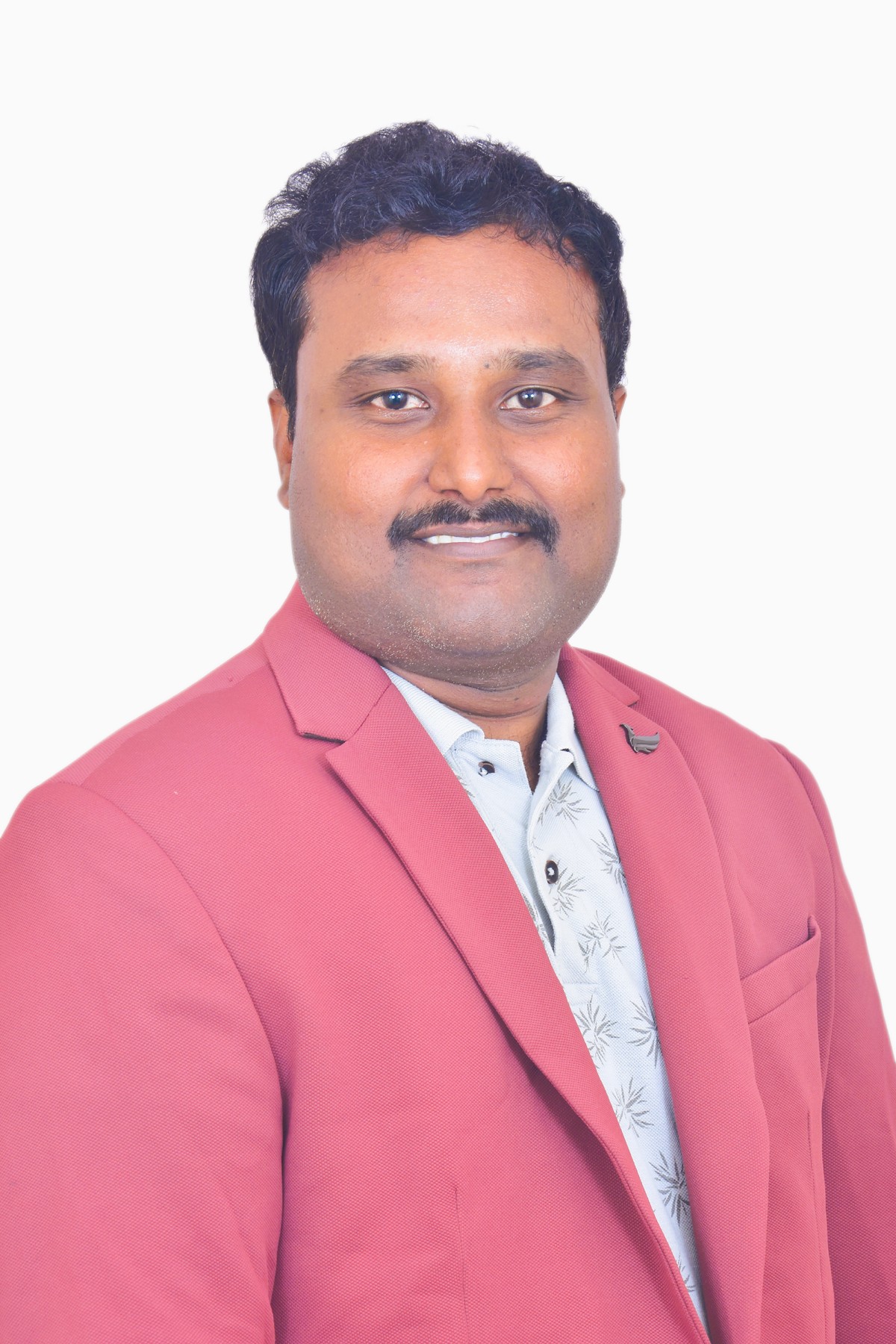
Dr. Mukku Pavan Kumar
Young Researcher Award
Dr. Mukku Pavan Kumar
Associate Professor
Lendi Institute of Engineering and Technology (Autonomous)

Keynote Speakers

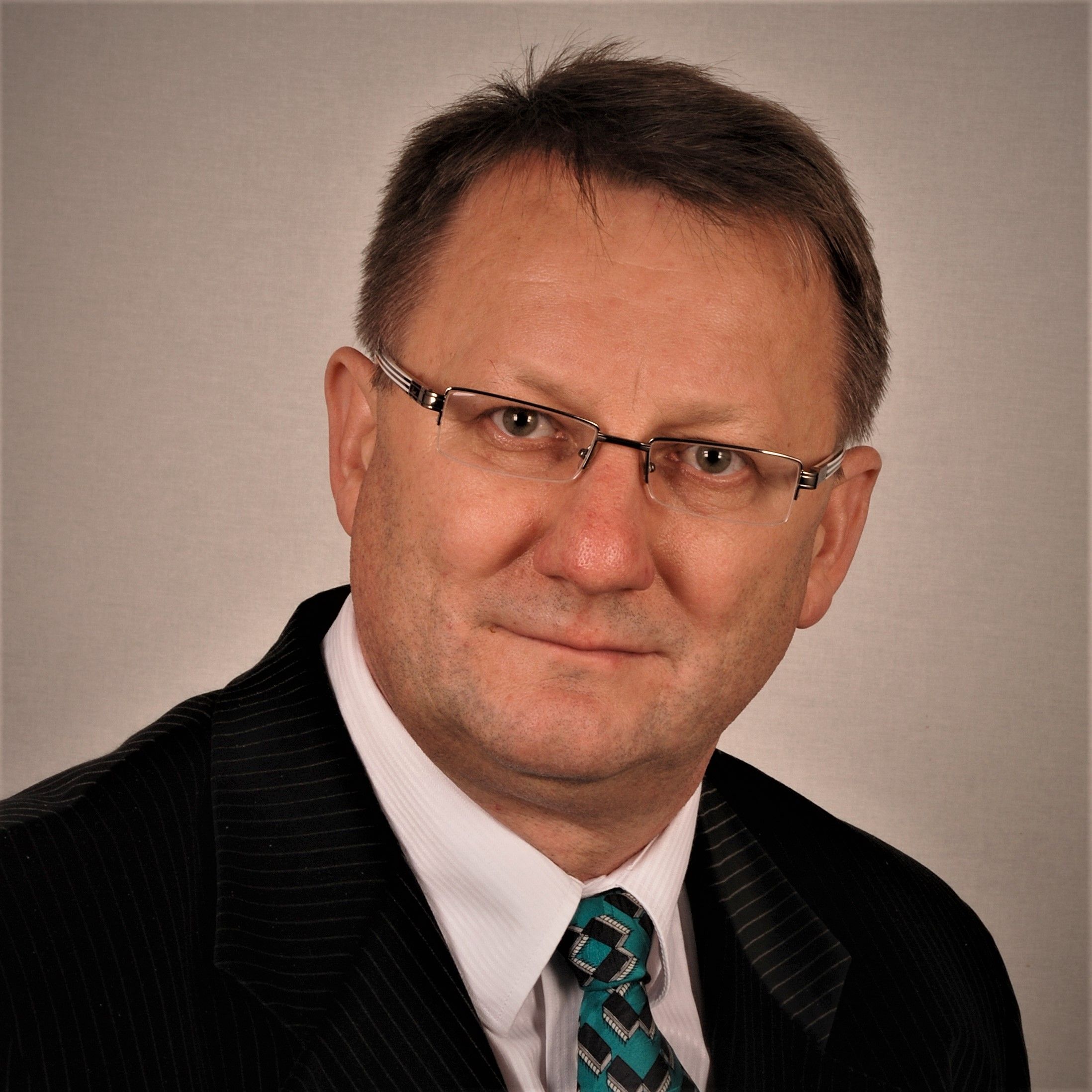
Prof. Jerzy Ryszard Szymanski
Professor, Dept. of EDIE,
Kazimierz Pulaski University of Technology and Humanities in Radom,Poland
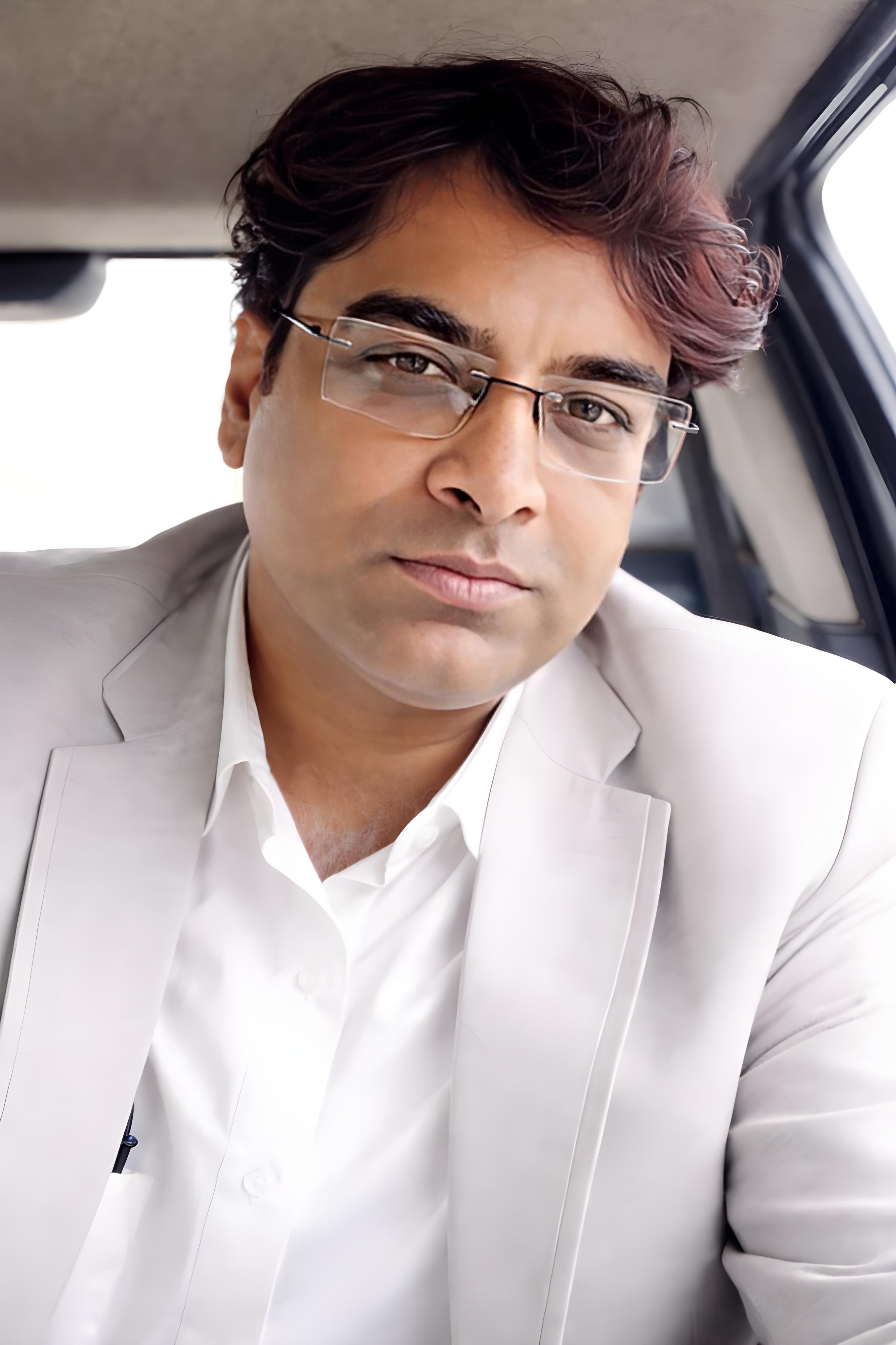
Dr. Rudra Sankar Dhar
Prof. Rudra Sankar Dhar
NIT Mizoram, India
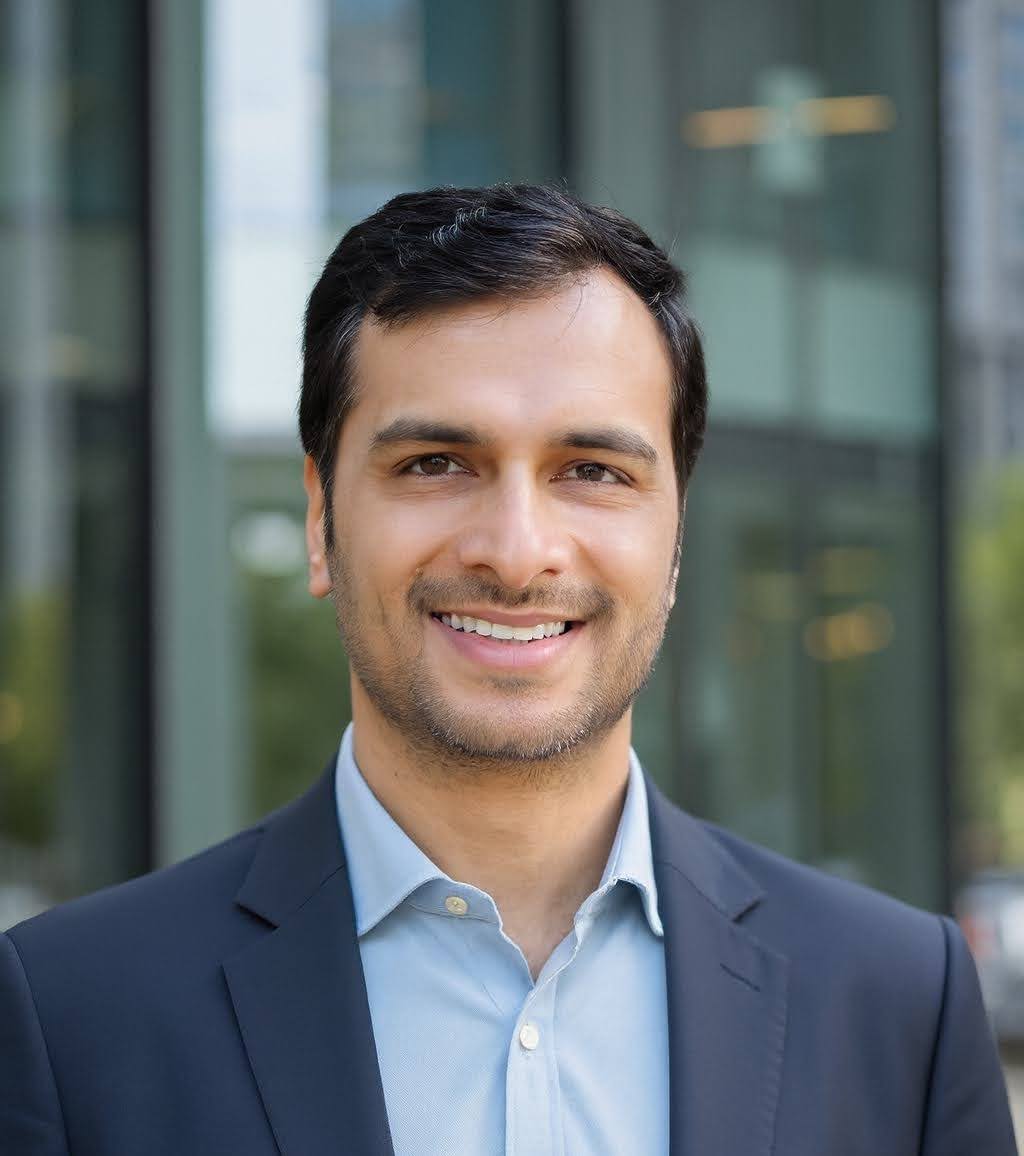
Dr. Aviru Kumar Basu
Scientist-D.,IIT, Kharagpur
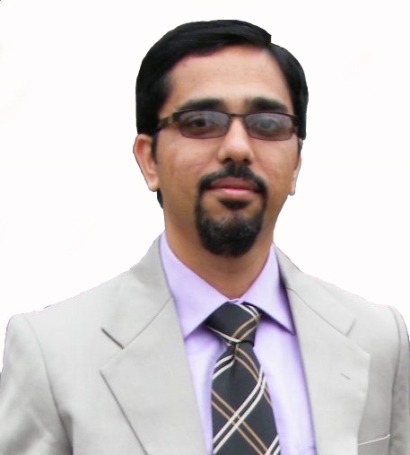
Prof. Hatem Ksibi
Prof. Hatem Ksibi
Sfax University, IPEIS
Prof. Hatem Ksibi
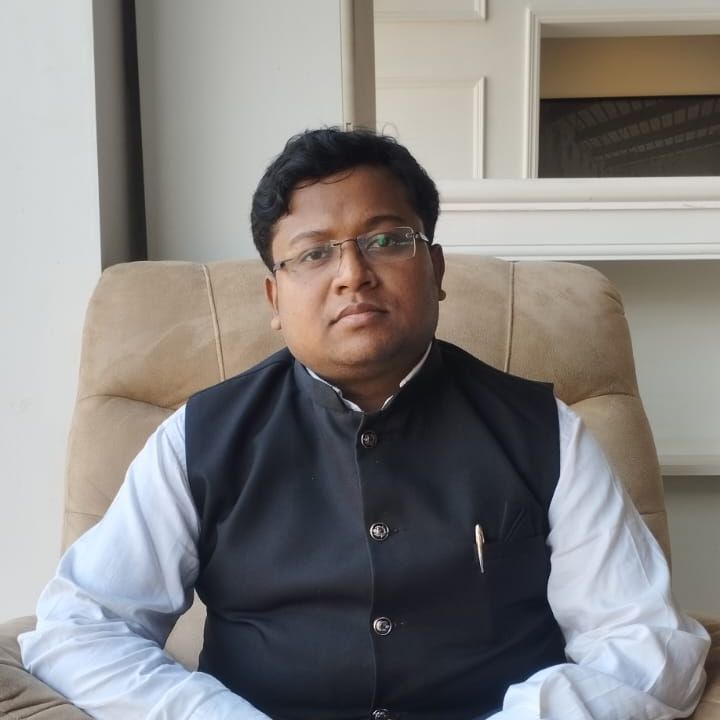
Dr. Biswarup Neogi
Principal, Hazi A.K. Khan College,Murshidabad, NAAC Accredited Institute Affiliated to The University of Kalyani

Invited Speakers

Nirmal Kumar Jingar
Mr. Nirmal Kumar Jingar
Sr. Engineering Manager
Wayfair, Boston, USA

Speakers

Coming Soon....

Publication

Accepted abstracts will be published in the conference proceedings. Extended Version of the paper will be forwarded to the following journals

1. Journal of Nano- And Electronic Physics [SCOPUS]*

2. Computer Modeling in Engineering & Sciences, Tech Science Press [SCI]*

3. Microsystem Technologies[SCI]*

4. Edited Book (Published By Wiley-Scrivener Publishing, USA), [Scopus]*

*Paper selection will be strictly based on the quality of the manuscript in accordance with the journal’s policy; no compromise on quality is permissible, and any applicable Article Processing Charges (APC) will follow the respective journal’s guidelines.

Submit Abstract

A self-contained abstract of 200-250 words, outlining in a single paragraph, the aims, scope and conclusions of the paper must be supplied. The abstract should state briefly the purpose of the research, the principal results and major conclusions. An abstract is often presented separate from the article, so it must be able to stand alone. References should be avoided. Non-standard or uncommon abbreviations should be avoided, but if essential they must be defined at their first mention in the abstract itself. Strictly follow the format of abstract before uploading it. Use Abstract Format link to download the format of the abstract. The abstract must be original and free from any kind of plagiarism. (Plagiarism must be less than 10% excluding author names, affiliations).

Once you receive the abstract acceptance notification along with Abstract ID from us then only you can proceed with the registration.

Eligibility

Invited Speaker:

Faculty Members, Scientists, and Industry Professionals

Speaker:

UG / PG Students, PhD Scholars, Research Assistants (RA), and Post-doctoral Researchers

Registration

Registration Fees

Category Early Bird Registration (Online) Early Bird Registration (In Person) Standard Registration (Online) Standard Registration (In Person)
NationalInternational NationalInternational NationalInternational NationalInternational
UG / PG Student INR 1000USD 15 INR 1500USD 20 INR 1500USD 20 INR 2000USD 30
PhD / RA / Post‑doc Students INR 1500USD 20 INR 2000USD 30 INR 2000USD 30 INR 2500USD 35
Faculty / Scientist (Invited) INR 2500USD 40 INR 3000USD 50 INR 3000USD 50 INR 3500USD 55
Industry Person INR 3500USD 55 INR 4500USD 65 INR 4500USD 65 INR 5000USD 70
Attendee Only / Accompanying Person INR 1000USD 15 INR 1500USD 20 INR 1500USD 20 INR 2000USD 30

Do the payment in INR (Indian Nationals) and in USD (Non-Indian Nationals and NRIs).

Steps of Registration

  1. Once you receive the abstract acceptance notification along with Abstract ID from us then only you can proceed with the registration.
  2. Identify the registration category from registration fee table.
  3. Click on the Pay Here button as shown below that will direct you to the pay now page of Research Plateau Publishers. Fill the details (Billing Information is required to obtain the receipt in the name of your interest) and submit the registration fee.
  4. Save the payment details in the form of an image or pdf file and upload through the upload registration fee proof button .
  5. After uploading the registration fee proof, please wait for 2-3 days to obtain the payment receipt then only your Registration will be complete.
  6. Attendees / Listeners only can directly click on Pay Here button to submit the registration fee. To fill the details, they can enter "Not Applicable" instead of Abstract ID. Then follow step 4 & 5 to complete the registration.
Aspinotech payment

Registration FAQ

Ans. No. For payment, Abstract ID is required that we will generate only after acceptance of your Abstract.

Ans. You can click on Pay Here button that will redirect you to a safe payment gateway, where you can choose different options to make the payment.

Ans. You need to click on the Upload Registration Fee Proof Button then fill the required information and upload the payment proof.

Ans. In such situation, you can click a photo of your payment screen and upload it as a jpg file along with exact date, amount and time with transaction ID, then only we can track it.

Ans. Once, you receive the registration receipt from us then your registration is complete.

Ans. Yes. The co-author will get the certificate only when he pays the registration fee amount as per the appropriate registration category. Same is applicable if multiple co-authors want the certificate. All of them have to pay the registration fee by mentioning the same Abstract ID.

Ans. No. Under any circumstances, the registration fee will not be refunded.

Ans. For any queries and difficulties during registration/payment kindly contact through Let's Chat or write an email at info.icicet@gmail.com or call us at Ph: +91-8240211846 or Ph: +918910957088.

Conference Schedule

Coming Soon....

Committee

Prof Dr. Arabinda Das
General Chair
Prof. Dr. Arabinda Das
Professor,
Electrical Engineering Department, Jadavpur University, India
Prof. Jerzy Ryszard Szymanski
General Chair
Prof. Jerzy Ryszard Szymanski
Professor, Dept. of EDIE,
Kazimierz Pulaski University of Technology and Humanities in Radom,Poland
Dr. Rudra Sankar Dhar
Organizing Chair
Prof. Rudra Sankar Dhar
Professor
NIT Mizoram
Bijoy Pal
Organizing Secretary
Mr. Bijoy Pal
Founder & Director
Aspinotech Infosolutions Pvt. Ltd.
Mr. Shirshendu Pandit
Finance Chair
Mr. Shirshendu Pandit
Founder & Director
Aspinotech Infosolutions Pvt. Ltd.
Dr. Sumanta Bhattacharyya
Technical Program Committee Chair
Dr. Sumanta Bhattacharyya
Associate Professor
Budge Budge Institute of Technology
Dr. Bidrohi Bhattacharjee
Publication Chair
Dr. Bidrohi Bhattacharjee
HoD, Dept.of EE
Budge Budge Institute of Technology

Technical Program Committee

Dr. Prashant Kumar Singh, Assistant Professor, Government Engineering College, Bokaro

Dr Tushar Hrishikesh Jaware, Dean R and D, R C Patel Institute of Technology, Shirpur

Dr. Nibedita Mukherjee, Associate Professor, Budge Budge Institute of Technology

Prof. Suchibrota Dutta, Assistant Professor, Budge Budge Institute of Technology

Dr. Sankar Mukherjee, Professor, Bengal College of Engineering and Technology

Dr. Bipasha Chakrabarti Banik, Assistant Professor, Gargi Memorial Institute of Technology

Dr. Sourav Sadhukhan, Assistant Professor, Budge Budge Institute of Technology

Dr. Kailash Pati Dutta, Associate Professor, Jharkhand Rai University

International / National Advisory Committee

Dr. Archana Pandita, Amity University, Dubai

Dr. Manu Hegde, Air Liquide, USA

Dr. Subash T D, Zhejiang Ocean University, China

Dr. J P Singh, NIT Patna, India

Dr. Sangram Ray, NIT Sikkim, India

Dr Sudip Sahana, Bit Meshra, India

Dr. Tanmay De, NIT Durgapur, India

Dr. Subhamoy Changdar, NIT Durgapur, India

Dr. Satyabrata Jit, IIT BHU, India

Dr. Amlan Chakraborti, Calcutta University, India

Dr. Rajat Mahapatra, NIT Durgapur, India

Dr. Ghanshyam Singh, MNIT Jaipur, India

Dr. Hafizur Rahaman, IIEST Shibpur, India

Dr. Navneet Gupta, BITS Pilani, India

Dr. T K Bhattacharyya, IIT Kgp, India

Dr. Kartik Panda, New Jersey Institute of Technology, USA

Dr.Vinish Kumar, Raj Kumar Goel Institute Of Technology, India

Dr.Biswarup Neogi, Hazi A.K. Khan College, India

Dr. Aniruddha Nag, Techno India Group, India

Prof.(Dr.) Jaideep Kumar, SDGI University, India
Venue – Bolpur–Shantiniketan, West Bengal

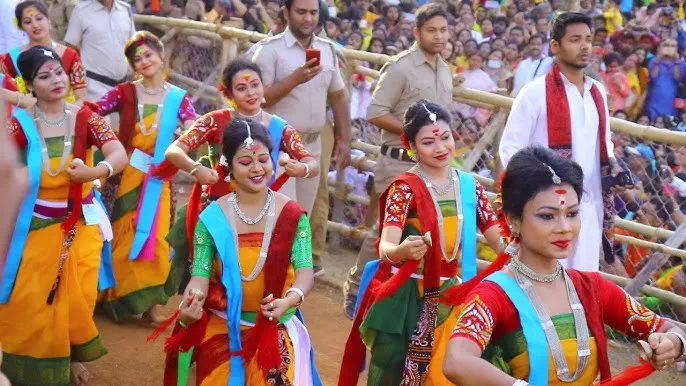
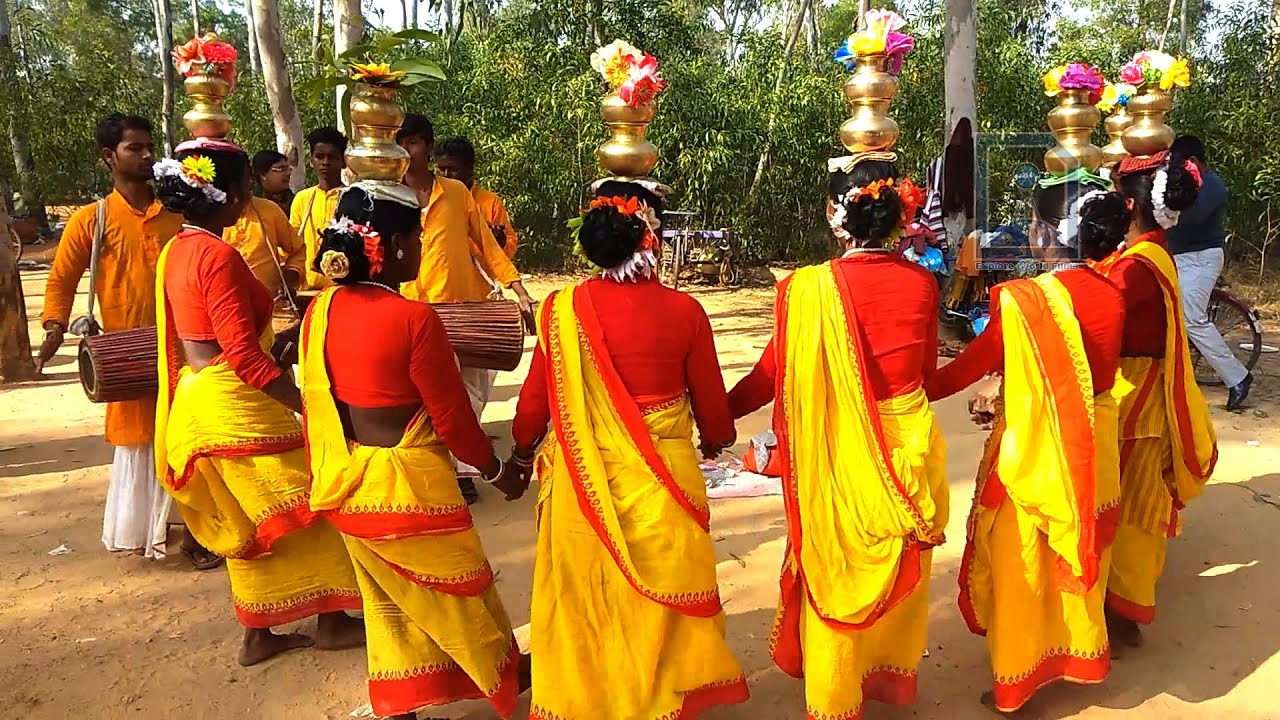
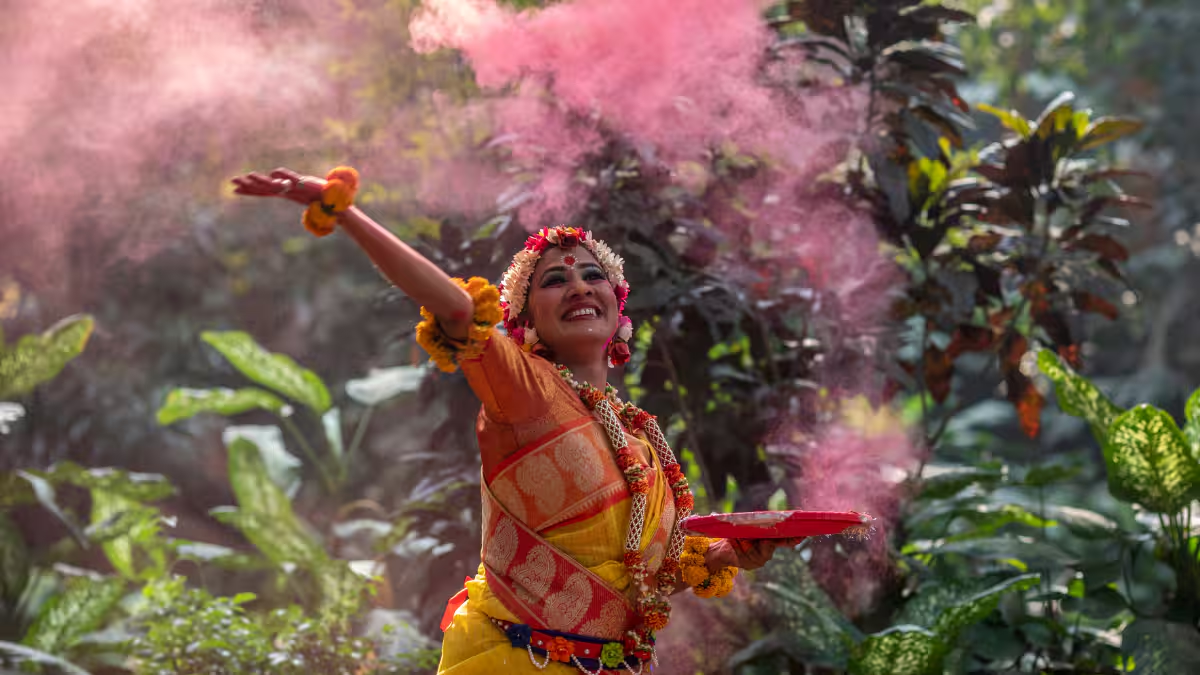
Shantiniketan is the Pride of Bengal

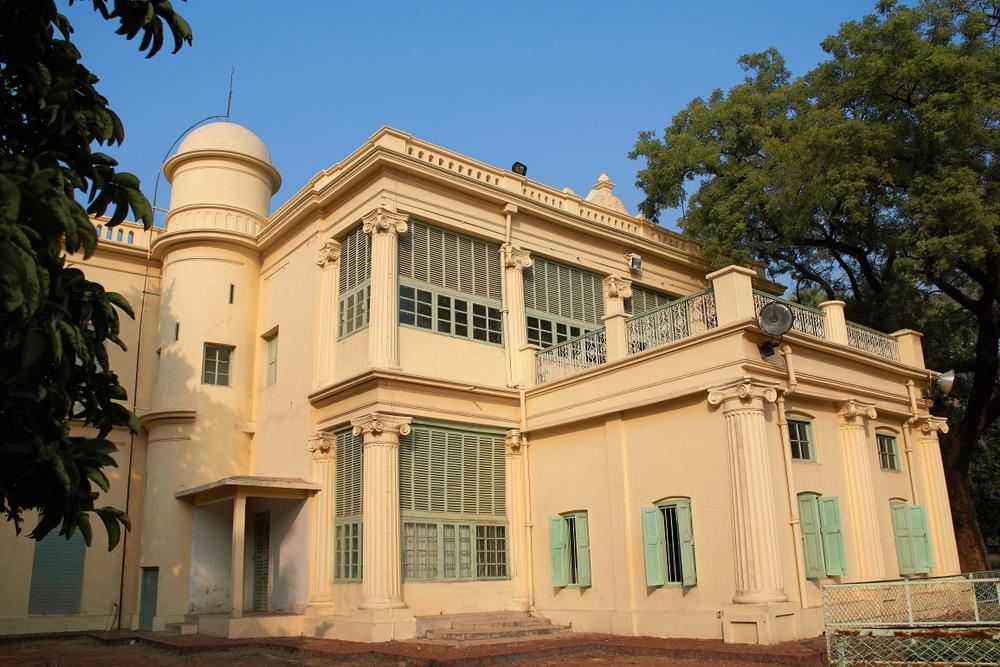
Shantiniketan is not only a geographical destination, it is an emotional and cultural identity deeply attached to the mind of every Bengali. Founded by Maharshi Debendranath Tagore and globally celebrated through Rabindranath Tagore, Shantiniketan became a symbol of free thinking, creativity and humanistic education.
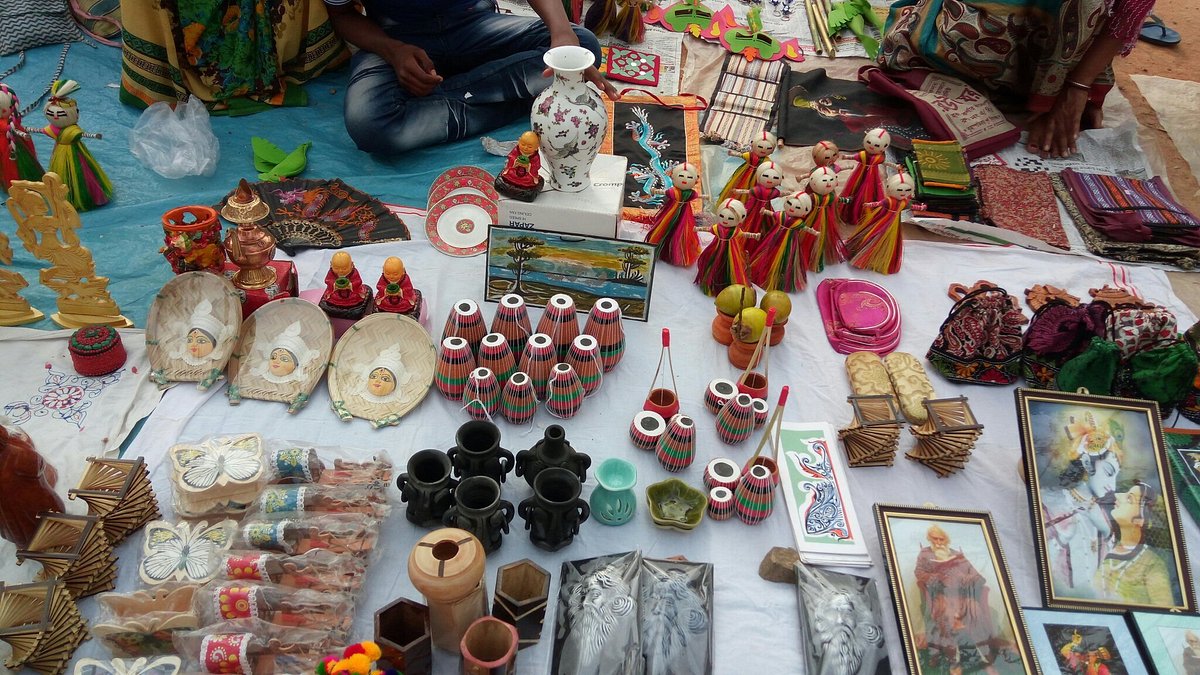
The philosophy of open classrooms, harmony with nature and inclusive learning transformed Shantiniketan into a global educational hub. Visva-Bharati University continues this legacy, making the region a living centre of research, culture, art and intellectual exchange. Hosting an international conference in Shantiniketan represents the true spirit of Bengal – knowledge, culture and innovation together.

How to Reach the Conference Venue

By Air

Nearest major airport: Netaji Subhas Chandra Bose International Airport, Kolkata. From airport, train or road transport to Bolpur.

By Train

Bolpur (Shantiniketan) Railway Station is well connected with Howrah, Sealdah and major cities.

By Bus

Regular government and private buses are available from Kolkata and nearby districts to Bolpur.

By Road

Well connected through state and national highways. Taxi and self-drive options are easily available.

Local Transport

E-rickshaws, autos and local taxis are easily available for travel within Bolpur and Shantiniketan.

Expected Weather during Conference (Approximate)

The following weather indicators are approximate, based on typical seasonal patterns of Bolpur–Shantiniketan and provided only for participant convenience.

Temperature

Max: ~34°C |
Min: ~24°C

Humidity

~65% – 80%

Rain Prediction

Low to Moderate chance

Wind Speed

~8 – 14 km/h

Storm Activity

Very low probability

Tornado Risk

Extremely rare / negligible

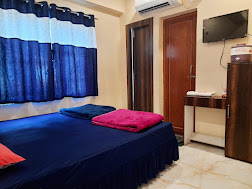
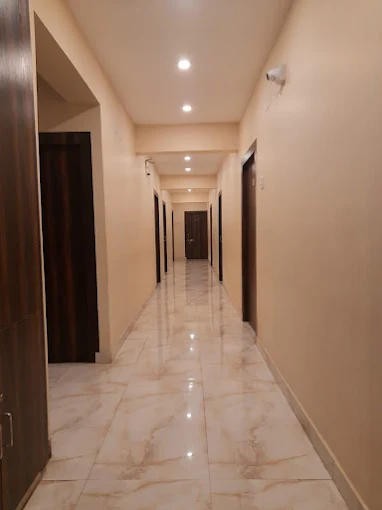
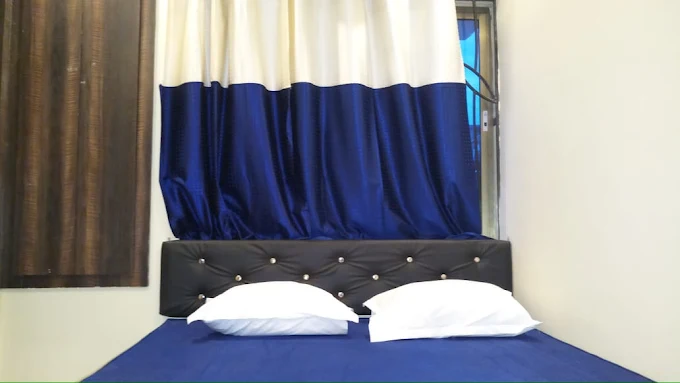
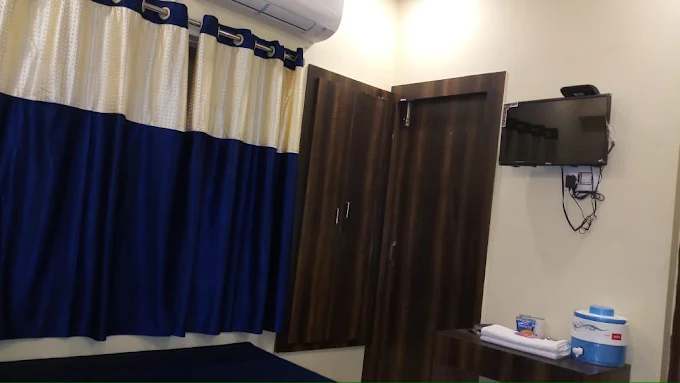
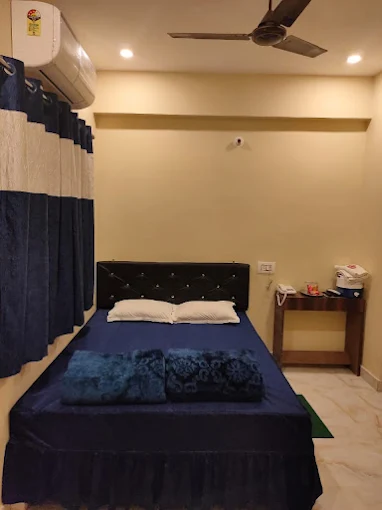
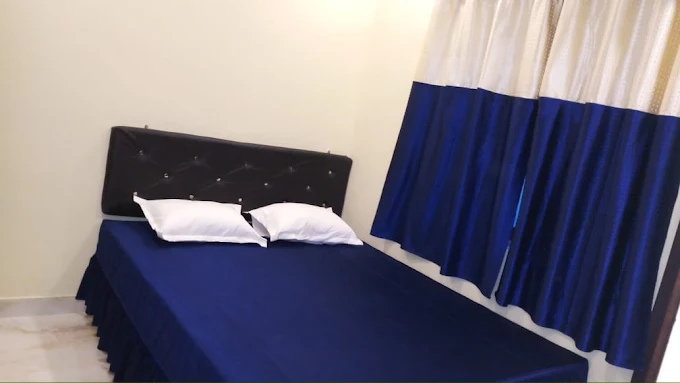
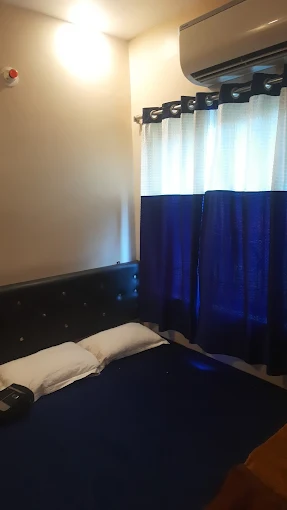
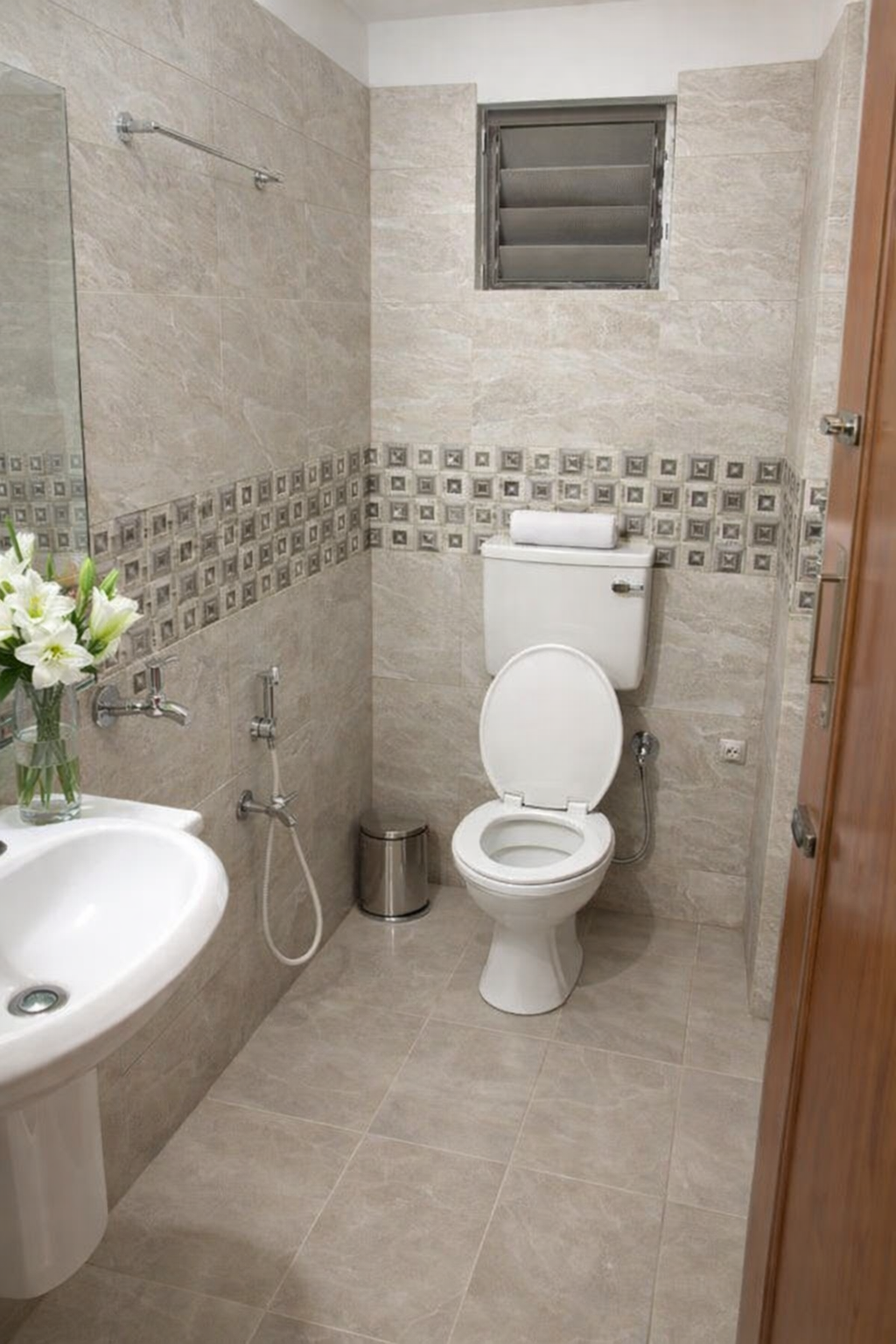
Accommodation – Hotel Room Overview

Deluxe Room Single Occupancy - Rs.2625/- per head per day
Comfortable AC room with Wi-Fi, attached bathroom and work desk. TV & Geyser available. 24x7 Power Supply.
Breakfast Included Lunch Included Snacks Included Dinner Included
Veg Available Non‑Veg Available
Deluxe Room Double Occupancy - Rs.2100/- per head per day
Comfortable AC room with Wi-Fi, attached bathroom and work desk. TV & Geyser available. 24x7 Power Supply.
Breakfast Included Lunch Included Snacks Included Dinner Included
Veg Available Non‑Veg Available

**For any Queries, feel free to call +918240211846

*For accommodation participants, the lunch of day of conference is converted into a complimentary hospitality benefit. No duplicate meal service is provided.

One‑Day Santiniketan Heritage Tour

Cultural & Heritage Experience for Delegates

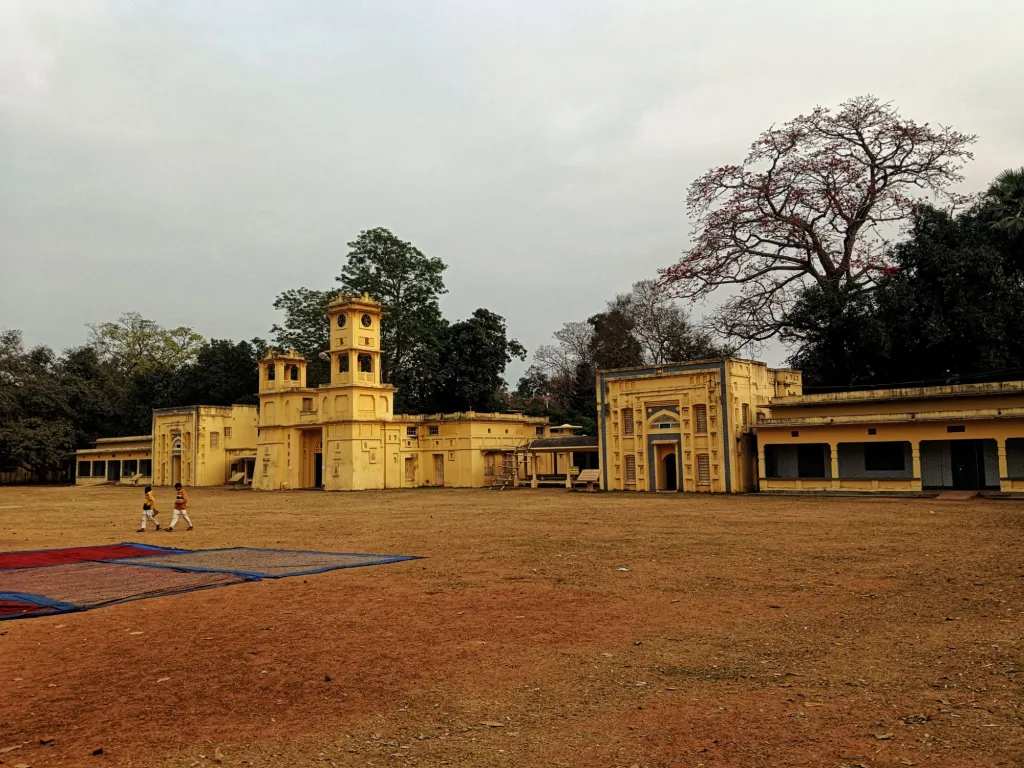
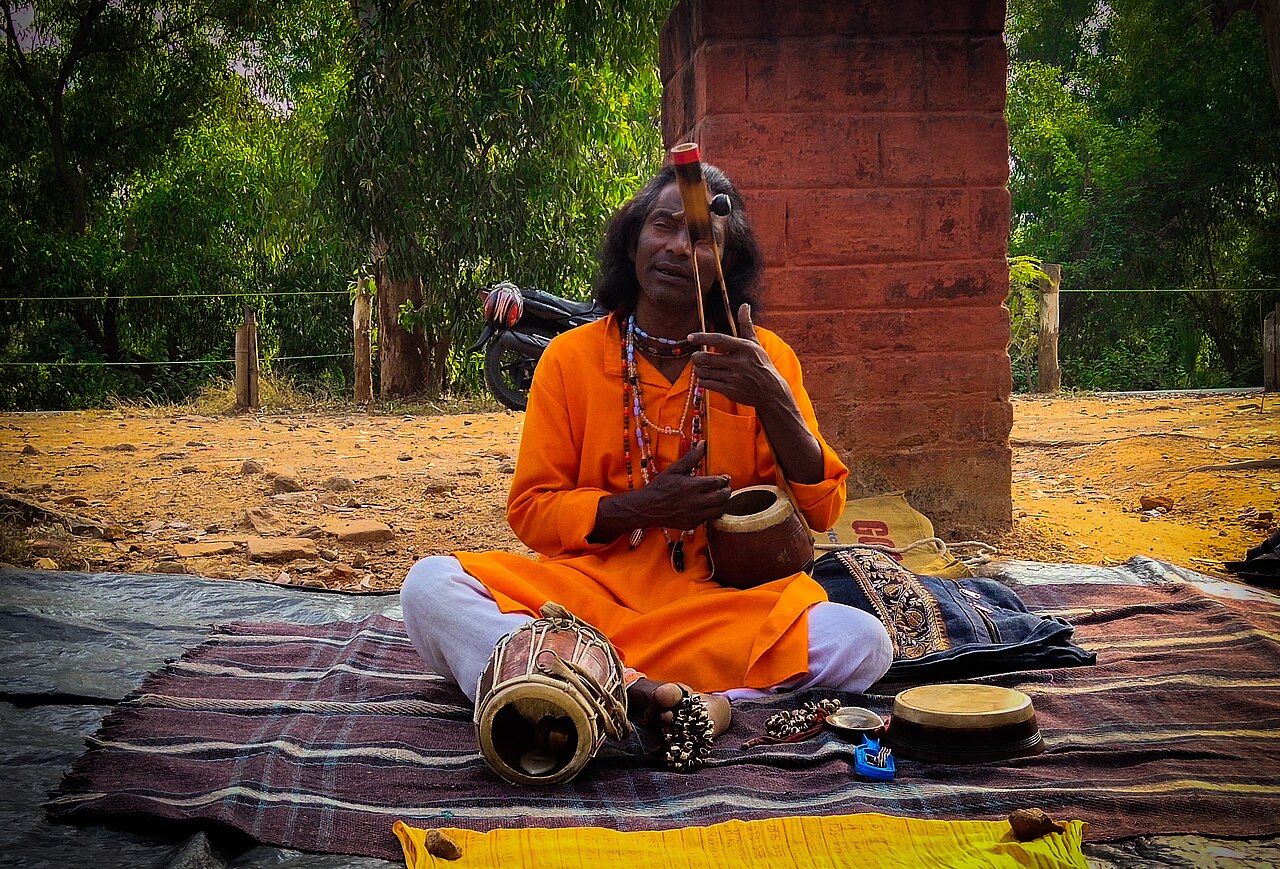
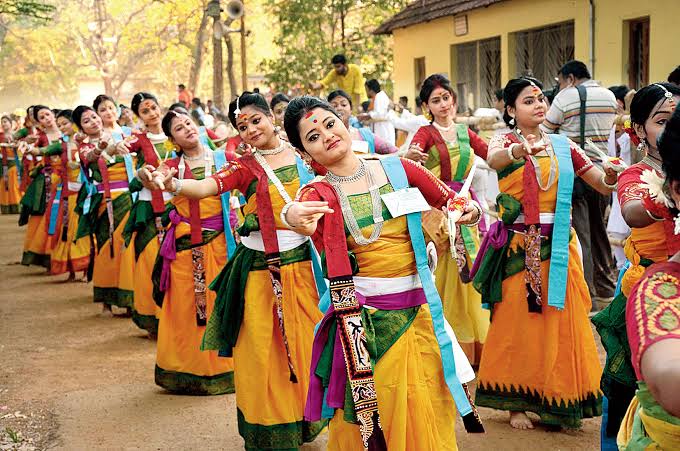
Delegates will enjoy a specially curated one‑day local sightseeing tour of Santiniketan showcasing the cultural soul of Bengal and the educational heritage inspired by Rabindranath Tagore. Santiniketan represents the physical manifestation of a utopian ideal of a community that became a crucible for intellectual and artistic ideas that were to have a decisive impact on 20th century art, literature, poetry, music and architecture in the south Asian region. The tour also includes a spiritual visit to the renowned Kankalitala Shakti Peeth.

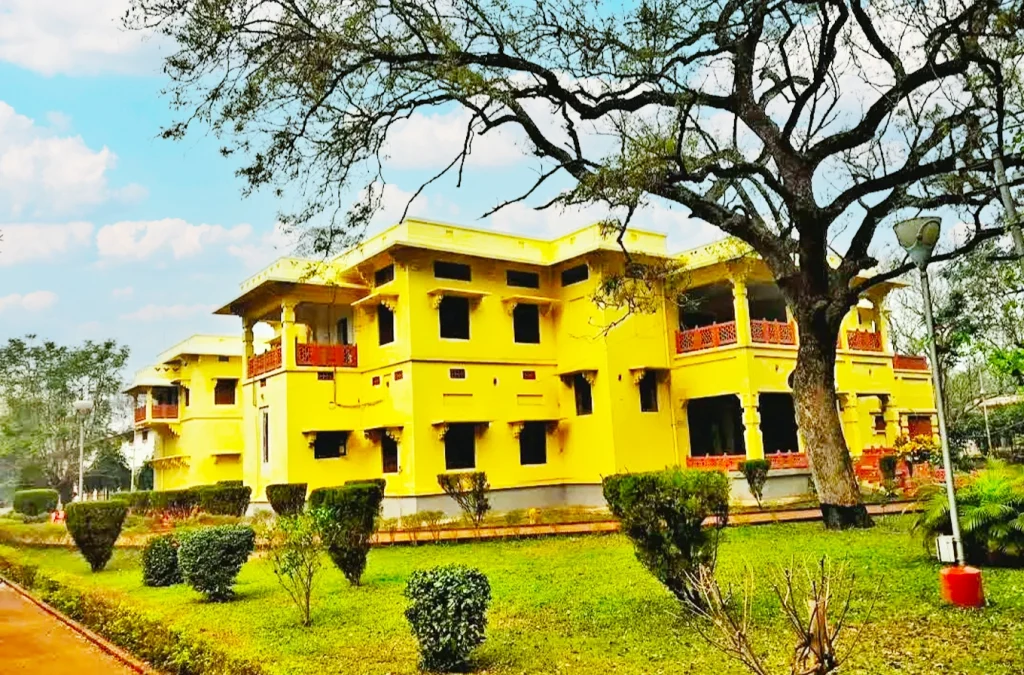
Visva‑Bharati Campus & Uttarayan

Open‑air classrooms, Tagore’s residence and artistic heritage of Shantiniketan.

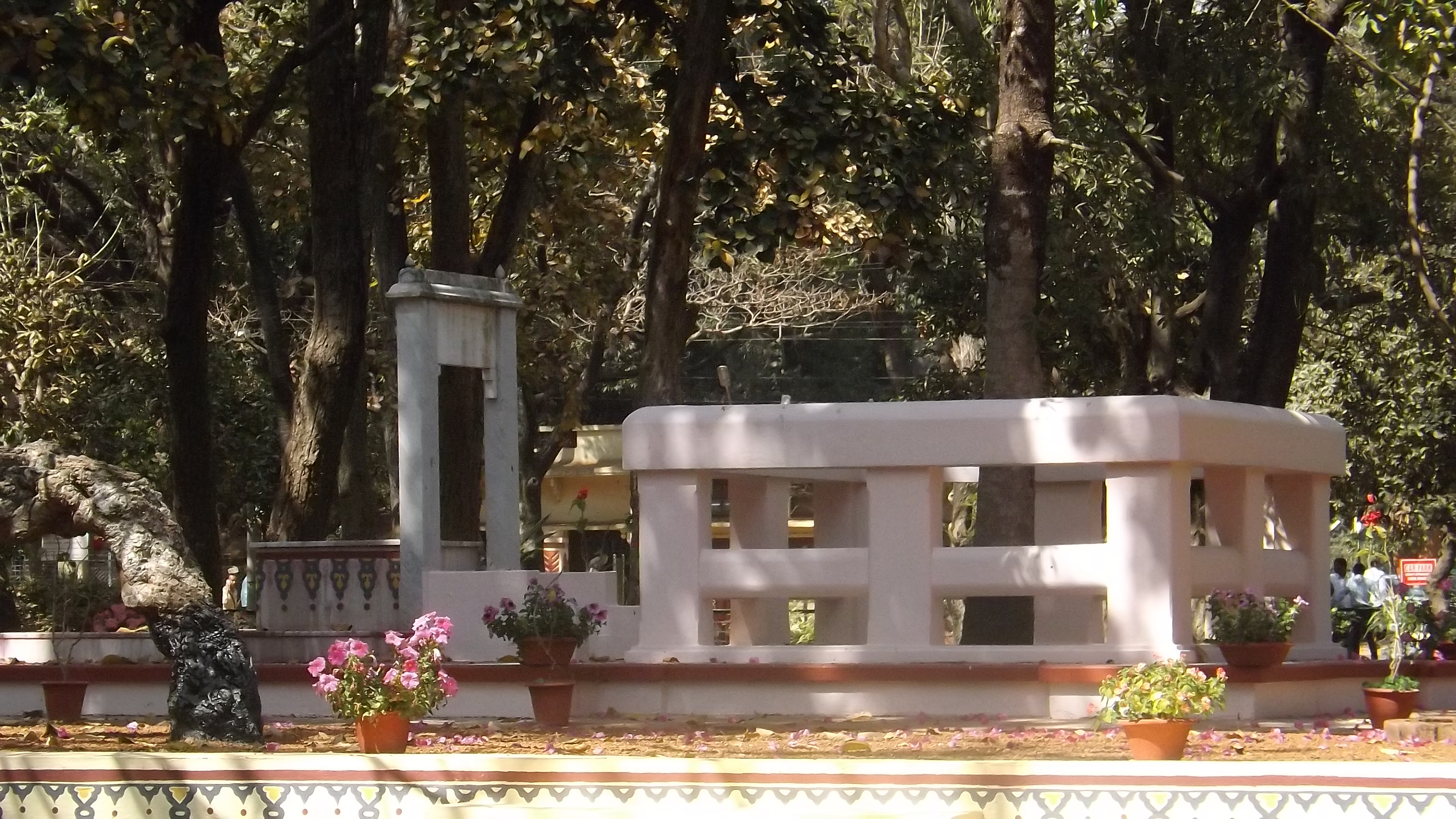
Chattim Tala

Maharshi Debendranath Tagore, father of Rabindranath Tagore, found spiritual enlightenment while meditating under a Chhatim tree in the 19th century. It acts as the spiritual foundation of Santiniketan, marking the birthplace of the institution, and is where graduates receive Saptaparni leaves during convocation.

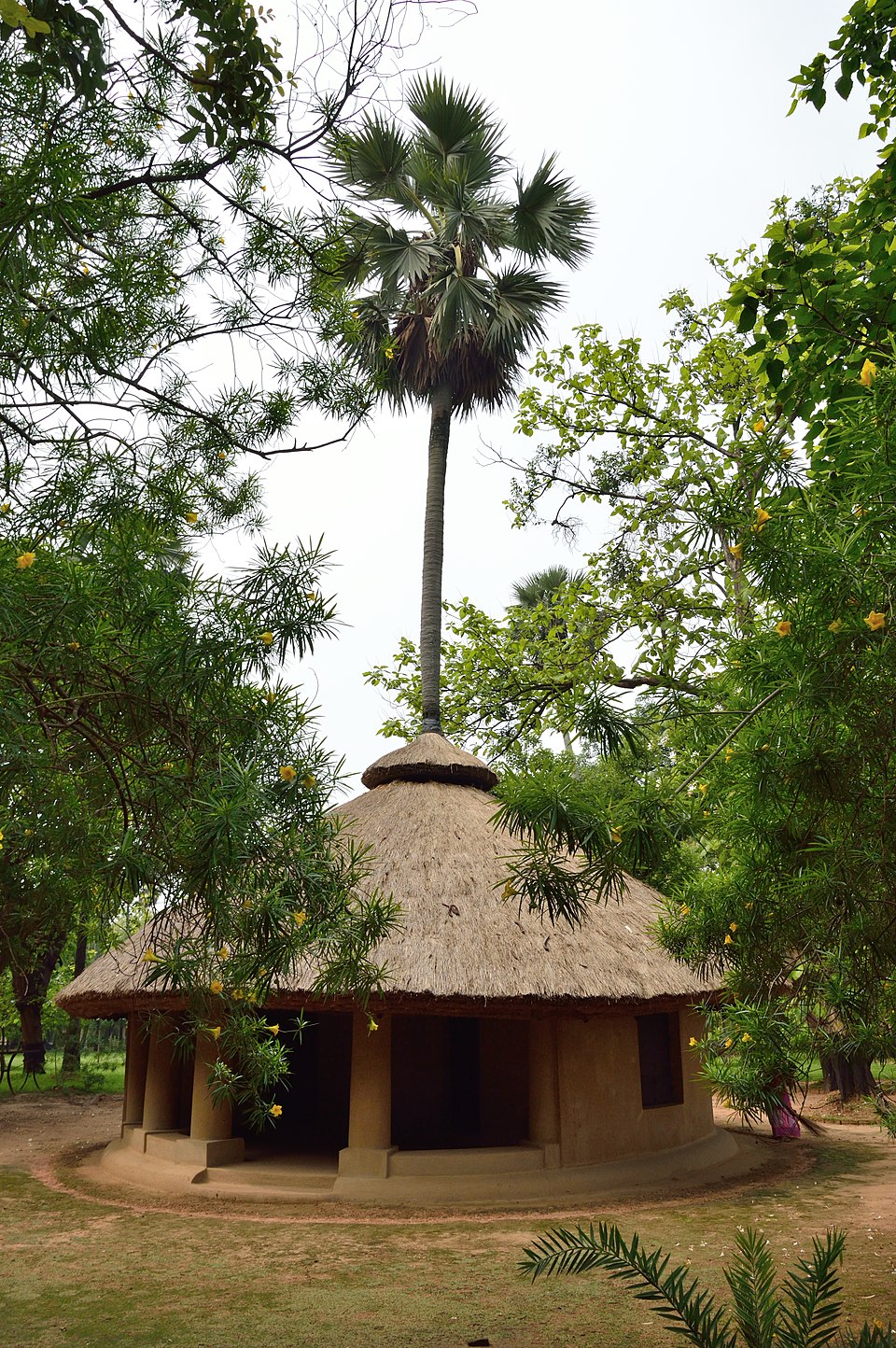
Heritage Palm Tree

The Palm tree (Taal Gaach) is deeply rooted in Bengali literature and culture, famously immortalized by Rabindranath Tagore in his nursery rhyme, "Taal Gaach ek paye daariye" (The palm tree stands on one leg...) in Sahaj Path. This makes them an iconic part of the Bengali cultural identity within the campus.

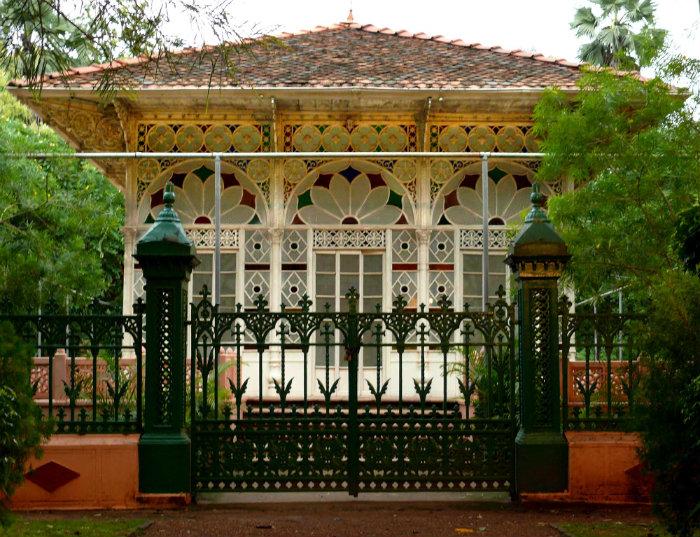
Upasana Griha

Upasana Griha, holds profound historical, spiritual, and architectural importance within the Visva-Bharati University campus in Santiniketan, West Bengal. Established by Maharshi Debendranath Tagore (father of Rabindranath Tagore) in 1863, it serves as a central symbol of the Brahmo Samaj’s philosophy, focusing on the worship of a formless, nameless supreme being, rather than idols.

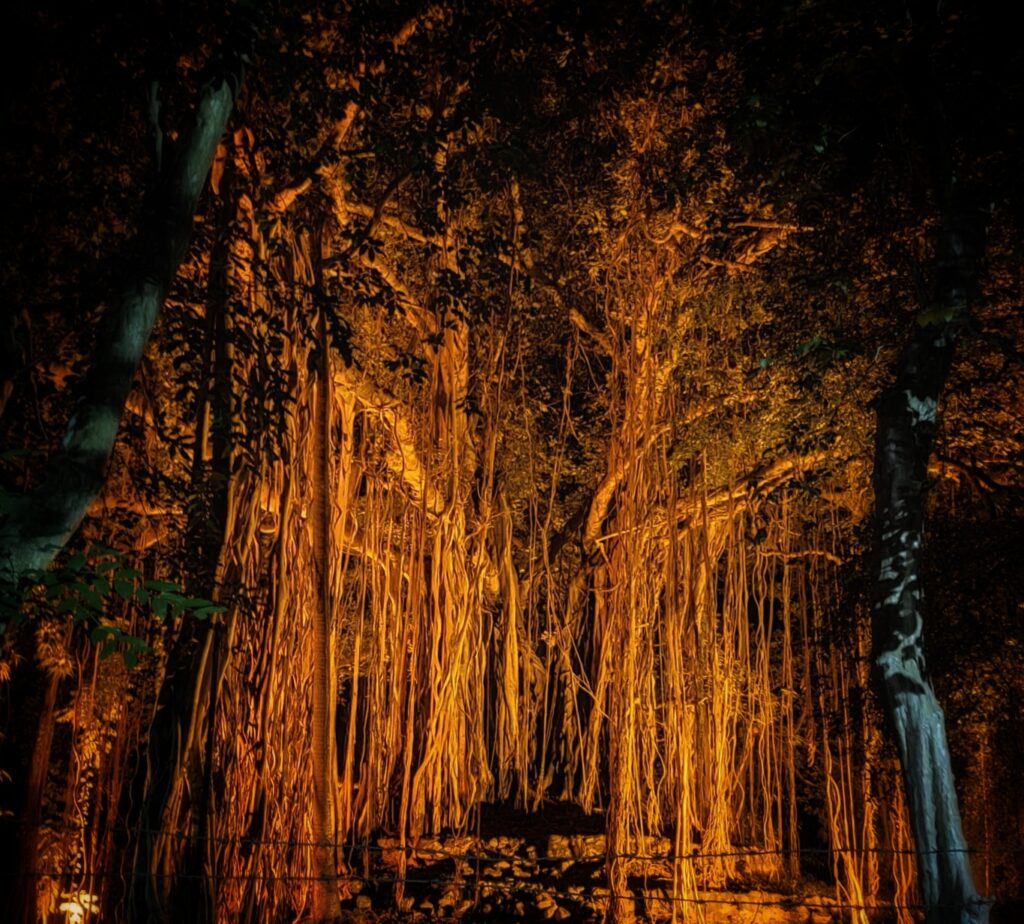
Heritage Banyan Tree

The Banyan tree is a center for learning and reflection, embodying Tagore's vision of breaking free from "narrow domestic walls" to connect with the universe.

Rabindra Bhavan Museum

Archives and exhibitions on the life and works of Rabindranath Tagore.

Kala Bhavana & Nandan Museum

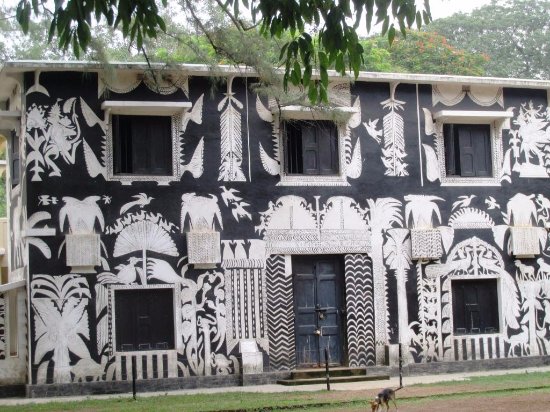
The Fine Arts faculty, renowned for its murals, sculptures, and paintings, including works by Nandalal Bose.

Ballavpur Wildlife Sanctuary

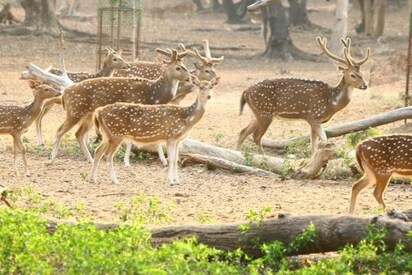
Located near Sonajhuri, this, also known as the Deer Park, is a great spot for nature lovers.

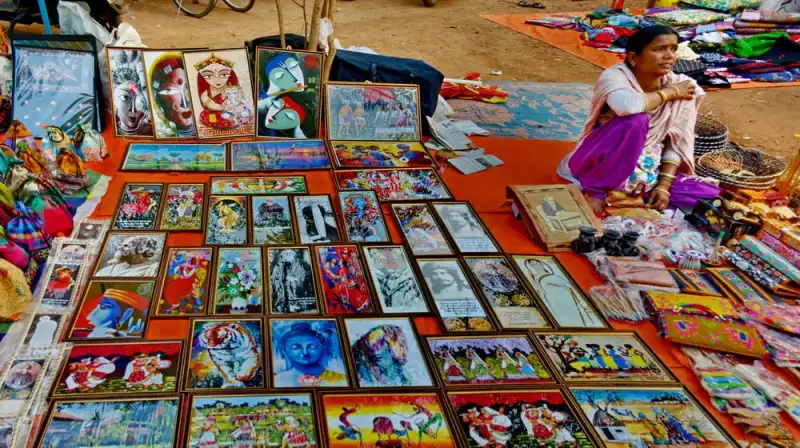
Sonajhuri Haat & Khoai Region

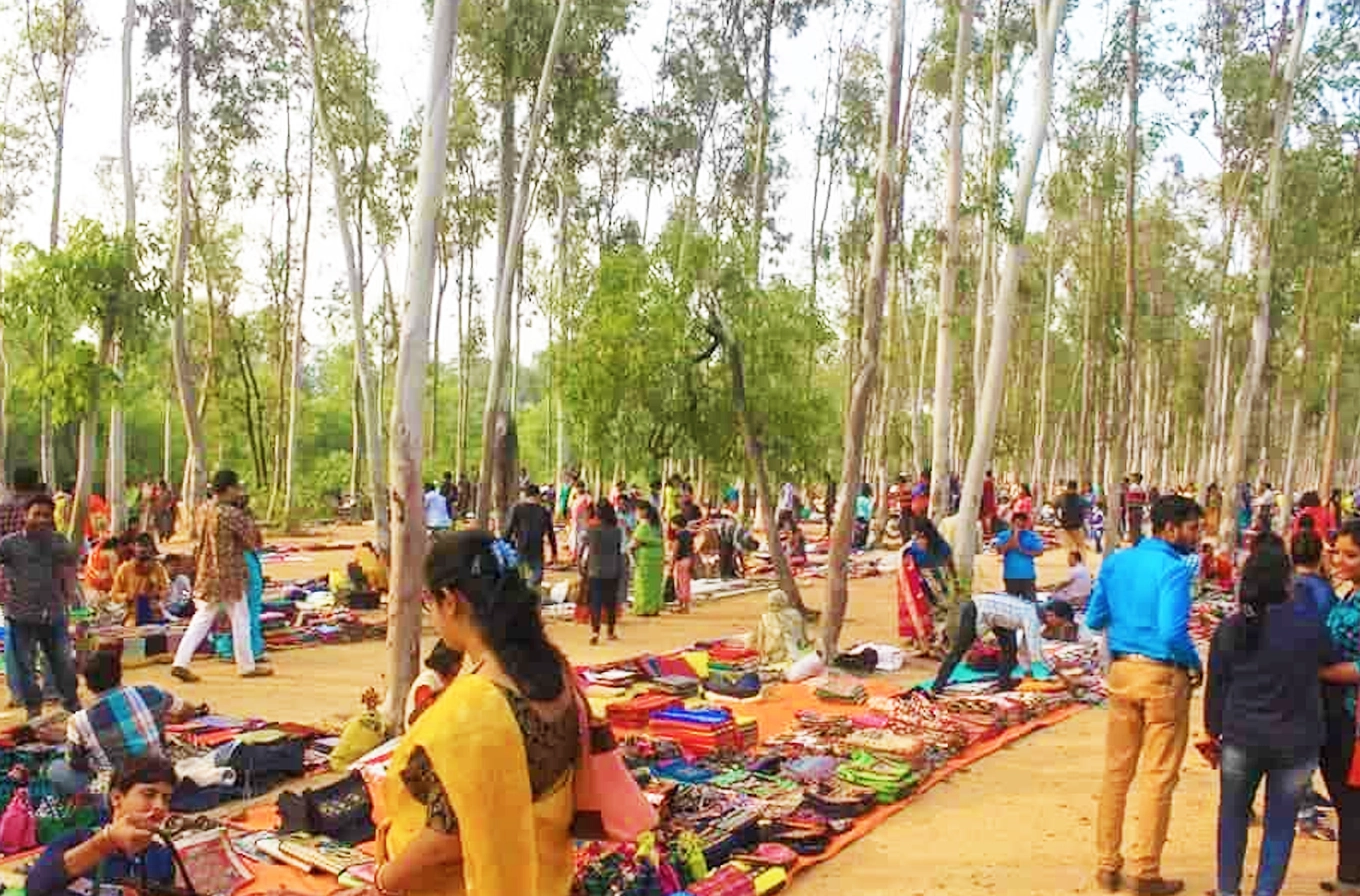
Local handicrafts, folk culture and natural red‑soil landscape.

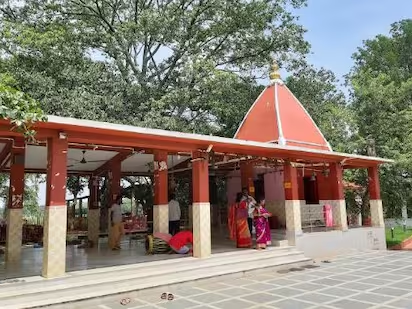
Kankalitala Shakti Peeth

One of the most sacred pilgrimage destinations near Shantiniketan.

Cost 2100/- Only

Date: 24th August, 2026

Limited Seat. Hurry Up!

**For any Queries, feel free to call +918240211846

Tour Highlights

Duration

Full Day (Approx. 8–9 hrs)

Local Transport

Transport arranged AC vehicles

Total Distance

Approx. 40–45 km (round trip)

Group Tour

Guided & coordinated for all delegates

Lunch Included

Hygienic local & multi‑cuisine lunch during the tour

High Tea Included

Evening tea with light snacks for all participants

Apply For Visa

visa

Contact Us

For queries related to ICICET 2026, registration, publication, partnership or venue, please reach out to us using the form below.

Conference Office

Aspinotech Infosolutions, Kolkata

Conference Secretariat

Aspinotech Infosolutions Pvt. Ltd.

32, Chowringhee Road, Om Tower, 7th Floor, Park Street Kolkata-700071

info.icicet@gmail.com

+918240211846/+918910957088

ICICET 2026 Aspinotech Infosolutions Pvt. Ltd. Hybrid Conference
Follow Us

Send us a message